


Every successful project begins with a clear vision, a well-defined scope, and, most importantly, an accurate understanding of the costs involved. Whether it is the construction of a residential building, a commercial development, an infrastructure project, or a renovation exercise, project cost estimation serves as the financial blueprint that guides decision-making from inception to completion.
Project cost estimation is the process of forecasting the financial resources required to complete a project within its defined scope and quality standards. It involves evaluating all potential costs, including materials, labor, equipment, logistics, permits, professional fees, contingencies, and operational expenses. The objective is to develop a realistic budget that supports effective planning, resource allocation, and project execution.
In today’s dynamic business and construction environment, cost estimation has become more critical than ever. Rising material prices, fluctuating labor costs, inflation, supply chain disruptions, and changing regulatory requirements can significantly impact project budgets. Without a reliable cost estimate, projects are exposed to the risks of budget overruns, delays, disputes, and, in some cases, complete failure.
Every successful project is built twice—first in the strength of its planning, and then in the quality of its execution. When the foundation is right, the vision has the strength to stand.
Accurate cost estimation provides stakeholders with the confidence to make informed investment decisions. It enables project owners, developers, financiers, and contractors to assess project feasibility, secure funding, negotiate contracts, and establish realistic expectations. Furthermore, it serves as a benchmark for monitoring project performance and controlling expenditures throughout the project lifecycle.
Beyond budgeting, cost estimation plays a strategic role in risk management. By identifying potential cost drivers and uncertainties early in the planning phase, project teams can develop mitigation strategies, allocate contingency funds, and improve overall project resilience. This proactive approach reduces financial surprises and enhances the likelihood of achieving project objectives.
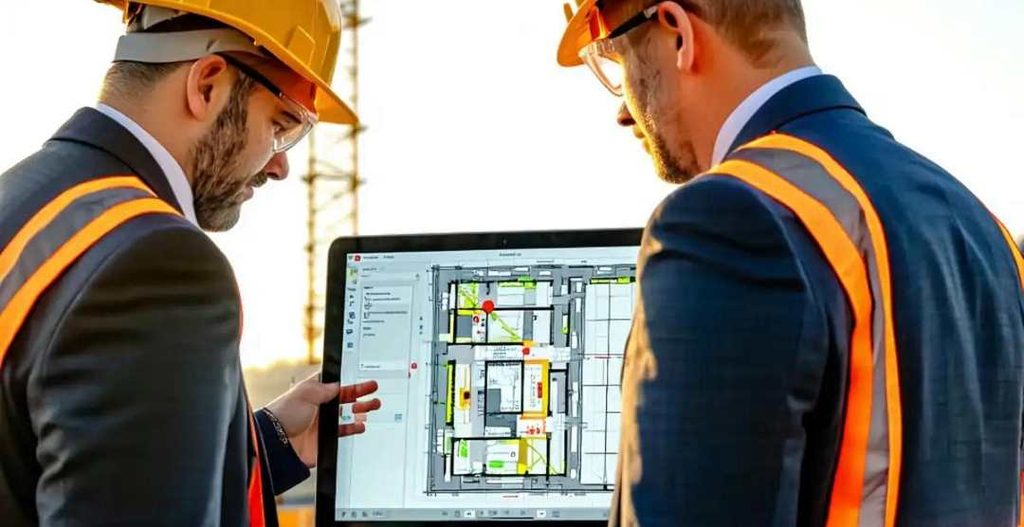

For construction professionals, real estate developers, facility managers, and business leaders, mastering the principles of project cost estimation is not merely a technical requirement—it is a critical competency that influences profitability, sustainability, and long-term success. A well-prepared estimate transforms assumptions into measurable data, enabling organizations to deliver projects efficiently while maximizing value for stakeholders.
Key Insight
As projects continue to grow in complexity and scale, the importance of accurate cost estimation cannot be overstated. It remains one of the most powerful tools for ensuring that ambitious ideas are translated into financially viable and successfully executed realities.