

Interior styling and space transformation are undergoing a remarkable evolution driven by changing lifestyles, technological advancements, sustainability concerns, and the growing demand for personalized living and working environments. The future of interior design is no longer focused solely on aesthetics; it is about creating intelligent, flexible, healthy, and sustainable spaces that improve the quality of life and enhance human experiences.
One of the most significant trends shaping the future of interior styling is the integration of smart technology. Homes and commercial spaces are becoming increasingly connected through automation systems that control lighting, temperature, security, entertainment, and energy consumption. Smart furniture, voice-activated devices, and artificial intelligence are transforming interiors into responsive environments that adapt to the needs and preferences of occupants. As technology continues to advance, future interiors will seamlessly blend convenience, functionality, and style.
Sustainability is also becoming a central pillar of modern space transformation. Property owners, designers, and developers are increasingly prioritizing environmentally responsible practices. The use of eco-friendly materials, energy-efficient lighting, recycled products, low-emission finishes, and renewable resources is expected to become standard practice. Green interiors not only reduce environmental impact but also create healthier indoor environments that promote well-being and productivity.
The spaces we inhabit should not merely hold our belongings, but cradle our well-being. The future of design lies in crafting environments that breathe with nature, adapt to our changing rhythms, and use technology not to isolate us, but to harmonize our daily lives.
Another defining characteristic of future interior spaces is flexibility. As remote work, hybrid lifestyles, and changing family structures become more common, spaces must serve multiple purposes. Living rooms may double as home offices, guest rooms may function as fitness areas, and commercial environments may be designed for collaborative and individual work. Modular furniture, movable partitions, and adaptable layouts will enable users to reconfigure spaces quickly and efficiently to meet evolving needs.
Wellness-centered design is gaining significant attention as people become more conscious of their physical and mental health. Future interiors will focus on improving air quality, maximizing natural light, reducing noise pollution, and incorporating biophilic design elements such as plants, water features, and natural materials. These features help reduce stress, enhance mood, and create environments that support overall well-being.
Personalization will continue to shape interior styling trends. Advances in technology and customization will allow homeowners and businesses to create unique spaces that reflect their identity, culture, and lifestyle preferences. From bespoke furniture and customized color schemes to digital art displays and smart décor, future interiors will offer greater opportunities for self-expression while maintaining functionality and elegance.
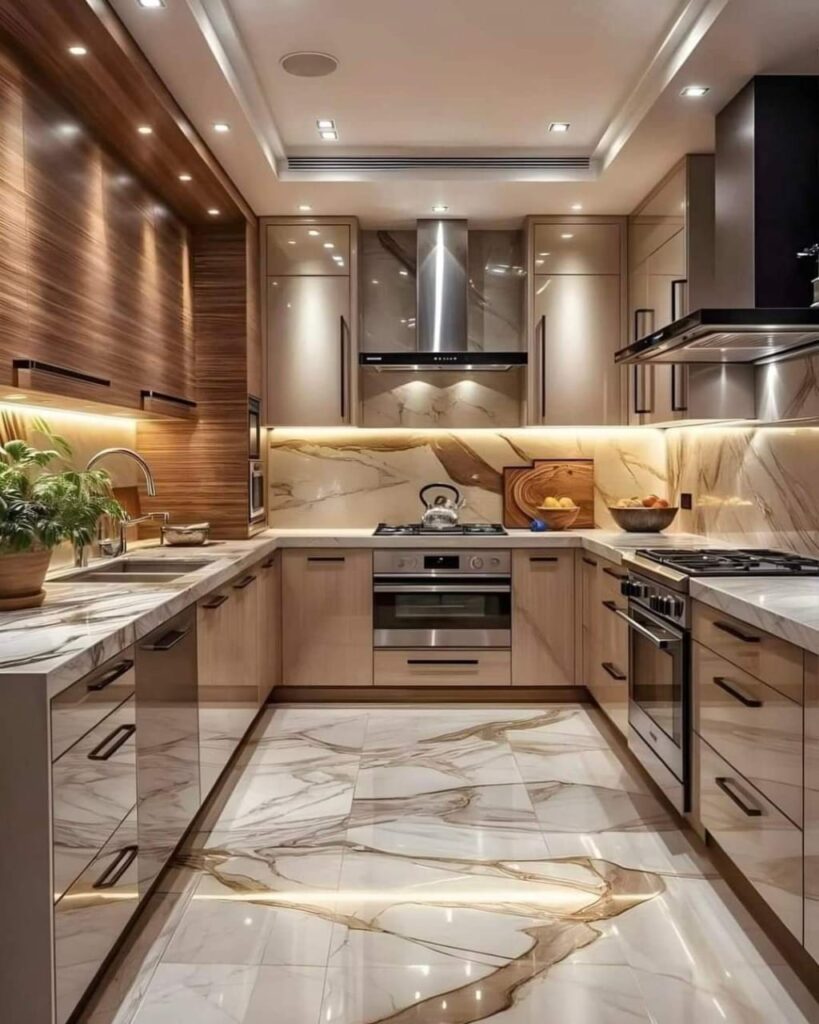
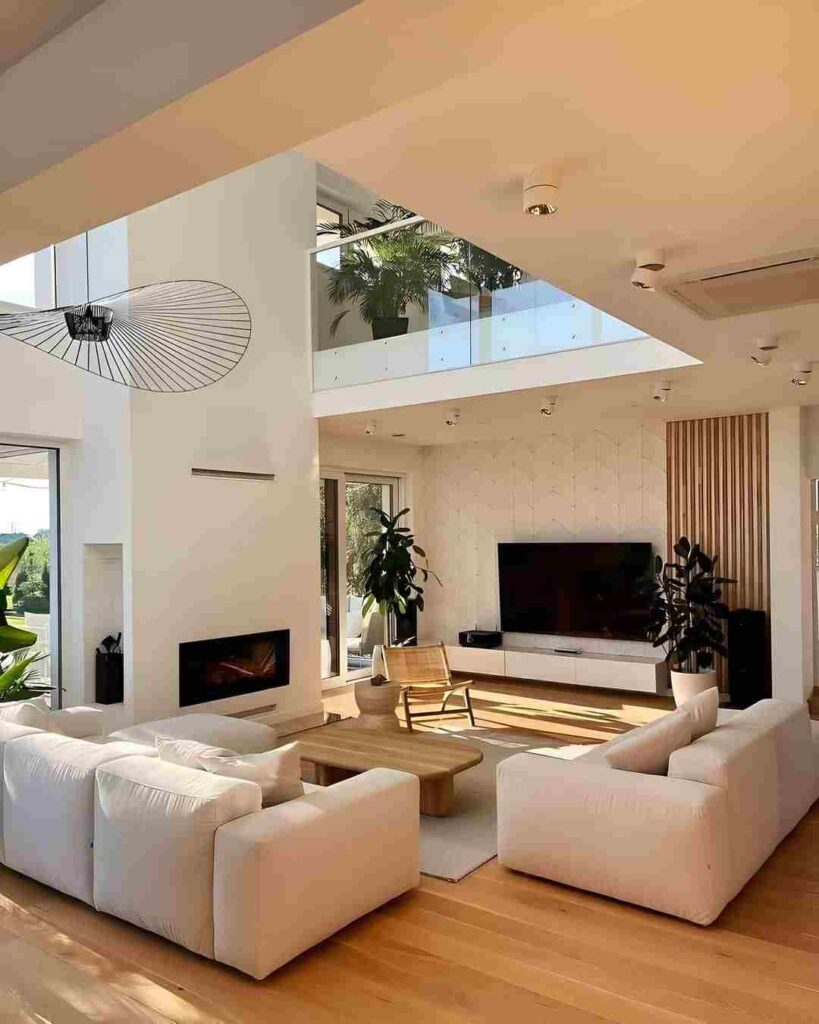
The role of data and artificial intelligence in design is also expected to expand. Designers will increasingly use AI-powered tools to analyze user behavior, optimize layouts, predict design trends, and create highly efficient spaces. Virtual reality and augmented reality technologies will enable clients to experience and modify designs before implementation, reducing costs and improving decision-making.
Urbanization and population growth are influencing the future of space transformation as well. With increasing pressure on available land, designers are developing innovative solutions to maximize smaller living and working spaces. Multifunctional furniture, compact storage systems, and efficient spatial planning will become essential components of future interior design.
Commercial spaces are also evolving. Offices, hotels, retail stores, and public facilities are being redesigned to provide immersive experiences, encourage collaboration, and enhance customer engagement. The future workplace, in particular, will prioritize flexibility, employee wellness, and technology integration to improve productivity and satisfaction.
the future of interior styling and space transformation
The future of interior styling and space transformation lies at the intersection of innovation, sustainability, wellness, and adaptability. As technology advances and lifestyles continue to change, interior spaces will become smarter, greener, more personalized, and more responsive to human needs. Designers who embrace these emerging trends will play a critical role in shaping environments that are not only beautiful but also functional, sustainable, and future-ready.