

Sustainability has become one of the most important drivers of change in the real estate industry. As cities expand, populations grow, and environmental concerns intensify, developers, investors, property managers, and governments are increasingly embracing sustainable practices to create buildings and communities that are environmentally responsible, economically viable, and socially beneficial. Understanding sustainability in the real estate sector is essential for anyone involved in property development, investment, management, or ownership. Sustainable real estate development supports broader environmental and social goals, including responsible resource use and climate action.
At its core, sustainability in real estate refers to the development and operation of properties in a way that meets present needs without compromising the ability of future generations to meet theirs. It involves balancing environmental protection, economic performance, and social well-being throughout a property’s lifecycle—from planning and design to construction, operation, maintenance, and eventual redevelopment.
One of the primary goals of sustainable real estate is to reduce the environmental impact of buildings. The construction and operation of buildings account for a significant portion of global energy consumption and carbon emissions. Sustainable developments address this challenge by incorporating energy-efficient designs, renewable energy systems, water conservation measures, and environmentally friendly building materials. Features such as solar panels, energy-efficient lighting, rainwater harvesting systems, smart building technologies, and natural ventilation help reduce resource consumption while lowering operating costs.
We do not inherit our cities from our ancestors; we borrow them from our children. To build sustainably is to ensure that the spaces we create today remain a sanctuary, and not a debt, for tomorrow.
Beyond environmental benefits, sustainability offers substantial economic advantages. Sustainable properties typically require less energy and water to operate, resulting in lower utility bills and maintenance expenses. These savings improve the long-term financial performance of buildings and increase their attractiveness to investors and occupants. In many markets, green buildings command higher rental rates, achieve better occupancy levels, and maintain stronger asset values than conventional properties. As sustainability becomes a priority for businesses and homeowners, demand for environmentally responsible properties continues to grow.
Social responsibility is another key component of sustainable real estate. Buildings are designed for people, and sustainability seeks to enhance the health, comfort, safety, and well-being of occupants. Access to natural light, improved indoor air quality, efficient space utilization, green recreational areas, and inclusive designs contribute to healthier and more productive living and working environments. Sustainable developments also encourage stronger communities by promoting accessibility, security, and social interaction.
Technology is playing a major role in advancing sustainability within the sector. Smart building systems can monitor energy consumption, regulate lighting and temperature, detect maintenance issues, and optimize operational efficiency. These innovations not only reduce environmental impacts but also improve user experience and asset performance. Additionally, the rise of green building certifications and environmental standards is encouraging developers to adopt best practices and demonstrate their commitment to sustainability.
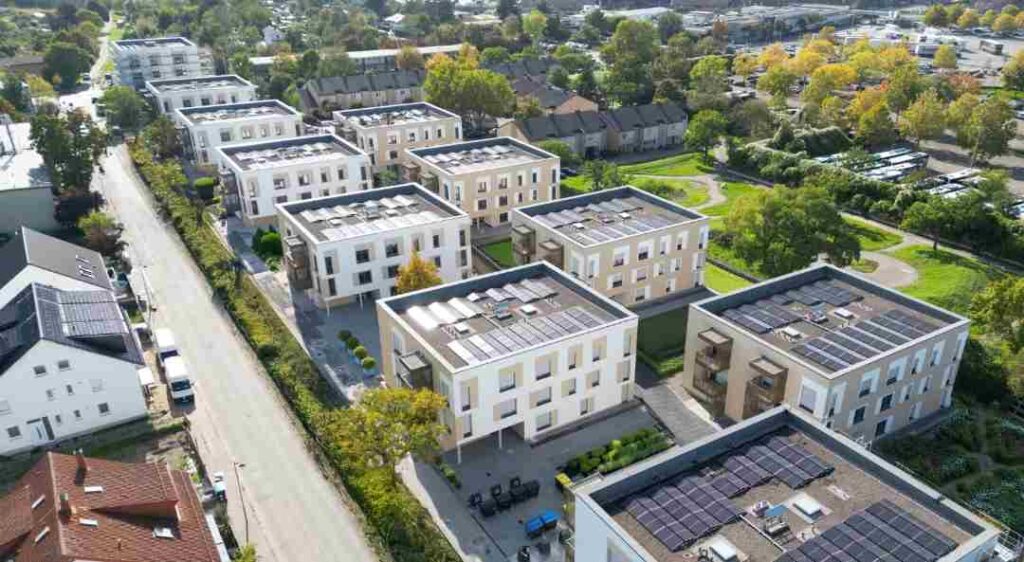
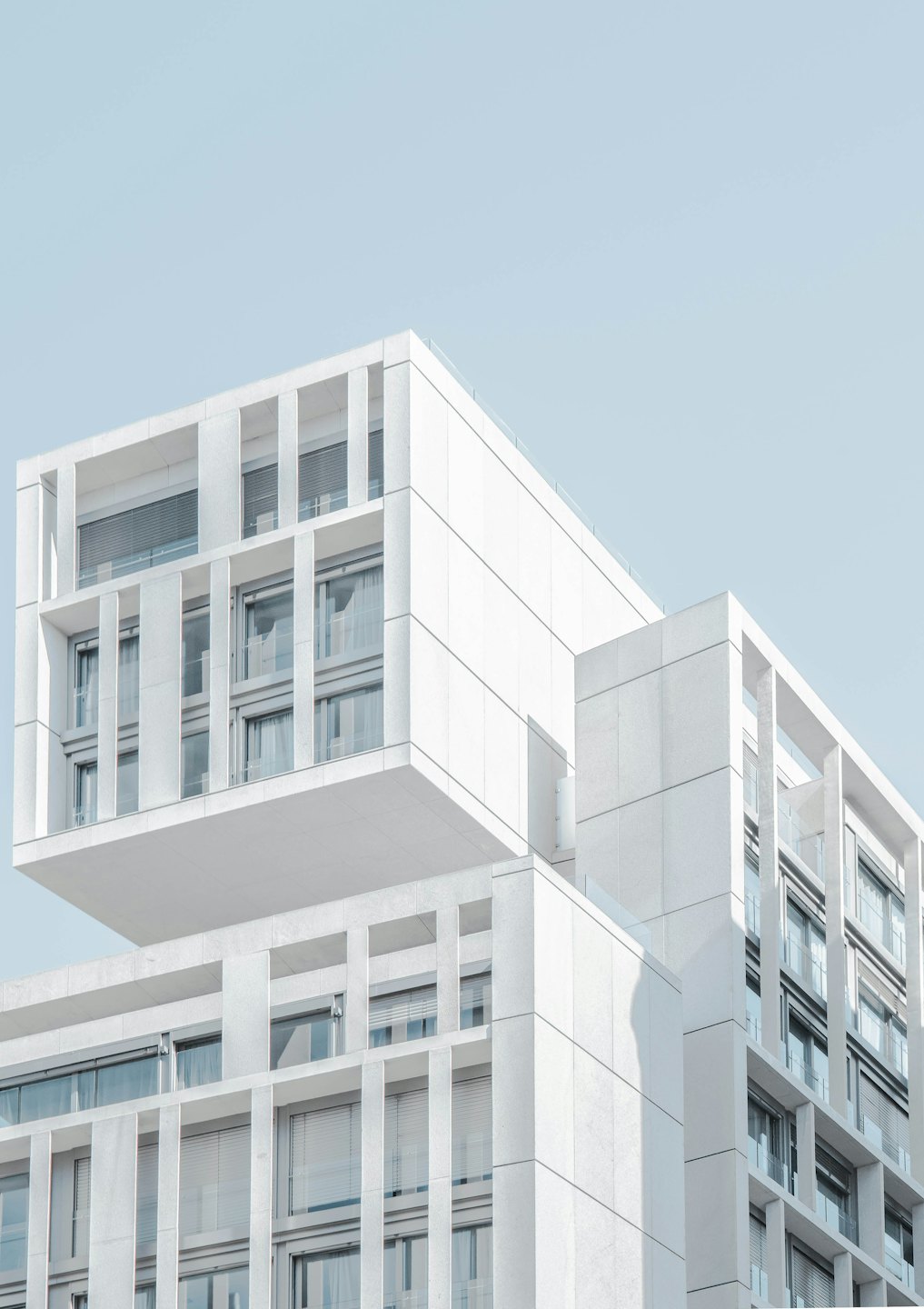
Property and facility management are equally important in achieving sustainability goals. A building’s environmental performance depends not only on its design but also on how it is operated and maintained. Effective property management ensures efficient use of resources, proper waste management, preventive maintenance, and continuous improvement of building systems. Sustainable facility management helps extend the lifespan of assets while preserving their value.
As climate change, resource scarcity, and urbanization continue to influence global development patterns, sustainability will remain at the forefront of the real estate industry. Developers, investors, and property owners who embrace sustainable principles are better positioned to meet future market demands, comply with evolving regulations, and create long-term value.
Ultimately, sustainability in the real estate sector is more than an environmental initiative—it is a comprehensive approach to building resilient, efficient, and thriving communities. By integrating sustainable practices into every stage of property development and management, the industry can contribute to a more prosperous and environmentally responsible future.
Why Sustainability Matters in the real estate sector
Sustainability in real estate is a comprehensive, three-pronged strategy that balances environmental responsibility, economic performance, and social well-being throughout a building’s lifecycle. It drives value by reducing resource consumption and lowering operating costs, while enhancing asset value, occupant health, and long-term viability in a changing market. Learn more about the core principles of sustainable property development and management.