

Modern interior design and decoration have become essential in creating spaces that are not only visually appealing but also functional, comfortable, and reflective of contemporary lifestyles. It is more than arranging furniture or choosing attractive colors. As lifestyles evolve, modern interior design focuses on balancing aesthetics, functionality, sustainability, and technology to create environments that meet the needs of contemporary living.
One of the core principles of modern interior design is functionality. Every element within a space should serve a purpose. Furniture, lighting, storage solutions, and decorative accessories should contribute to the usability of the space while maintaining visual harmony. A well-designed room allows easy movement, supports daily activities, and maximizes available space.
Modern interiors embrace the philosophy of “less is more.” Clean lines, uncluttered spaces, and carefully selected furnishings create a sense of order and sophistication. Rather than overcrowding rooms with unnecessary decorations, modern design focuses on quality pieces that make a statement while maintaining a calm and organized environment.
Design is the invisible architecture of our daily comfort—where simplicity strips away the noise, functionality serves our purpose, and every element works in harmony to turn a physical structure into a sanctuary for the soul.
A successful interior design achieves visual balance by distributing elements evenly throughout a space. This can be symmetrical, asymmetrical, or radial depending on the design style. Proper proportion ensures that furniture, artwork, lighting fixtures, and accessories complement the size of the room, creating a cohesive and comfortable atmosphere.
Color plays a significant role in influencing mood and perception. Modern interiors often use neutral palettes such as white, beige, gray, and earth tones as a foundation, complemented by accent colors that add personality and warmth. The strategic use of color can make spaces appear larger, brighter, or more inviting.
Lighting is one of the most important aspects of interior decoration. A combination of natural and artificial lighting enhances functionality and ambiance. Modern design incorporates layered lighting, including ambient, task, and accent lighting, to create flexible and comfortable spaces. Large windows, skylights, and energy-efficient fixtures are commonly used to maximize illumination.
Modern interiors achieve depth and visual interest through the use of different textures and materials. Combining wood, glass, metal, stone, fabrics, and natural elements creates a balanced and sophisticated appearance. Texture adds warmth and character without relying on excessive ornamentation.
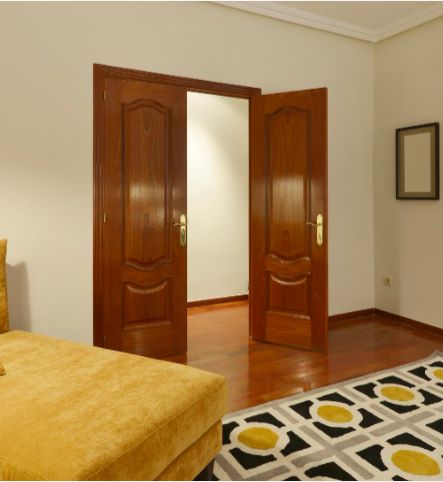
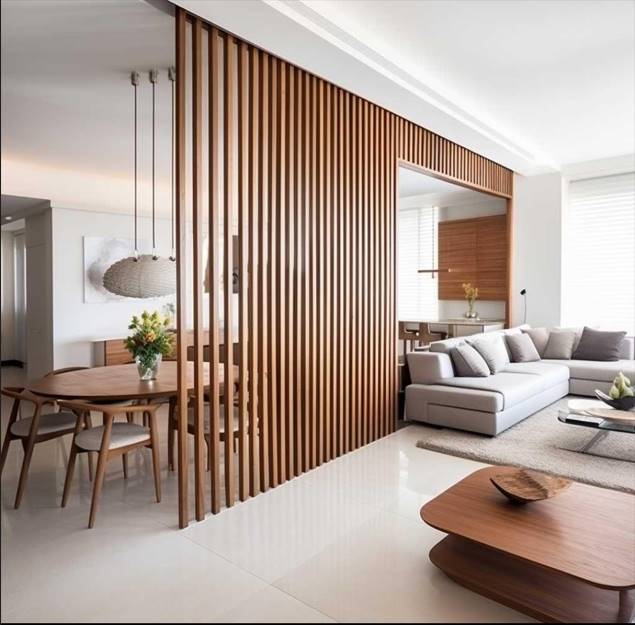
Sustainability has become a defining feature of modern interior design. Designers increasingly prioritize environmentally friendly materials, energy-efficient lighting, water-saving fixtures, and sustainable furniture. Green design not only reduces environmental impact but also promotes healthier indoor living conditions.
Smart homes are reshaping modern interiors. Automated lighting, climate control systems, security devices, and smart appliances are seamlessly integrated into contemporary spaces. Technology enhances convenience, efficiency, and comfort while maintaining the clean aesthetic associated with modern design.
While modern design values simplicity, it also recognizes the importance of reflecting the occupant’s personality. Carefully chosen artwork, decorative pieces, family photographs, and custom furnishings help create spaces that are unique and meaningful without compromising design integrity. Every design element should work together to create a unified look. Consistent color schemes, complementary materials, coordinated furnishings, and thoughtful layouts ensure that each room contributes to the overall design vision of the property.
Key principles of modern interior design and decoration
Modern interior design harmonizes functionality, simplicity, and sustainability to transform spaces into organized, comfortable sanctuaries that reflect personal identity.
Green and Smart Integration: Prioritizing eco-friendly, sustainable materials alongside seamless smart home automation for enhanced efficiency and modern convenience.
Purposeful Functionality: Every item, from furniture to storage, must serve a practical purpose while maintaining visual harmony and easy movement.
The Philosophy of Simplicity: Embracing a “less is more” approach with clean lines, uncluttered rooms, and high-quality, statement furnishings.
Balanced Proportions: Distributing elements evenly and matching the scale of furniture and accessories to the room’s dimensions.
Strategic Color and Lighting: Utilizing neutral foundational palettes with accent colors, paired with layered natural and artificial lighting to influence mood and ambiance.
Textural Depth: Combining mixed materials like wood, metal, stone, and fabrics to add physical and visual warmth without heavy ornamentation.