
Sustainability is no longer a trend in the real estate industry; it has become a fundamental principle that is transforming the way properties are planned, designed, constructed, and managed. As cities continue to grow and environmental challenges become more pressing, developers, investors, governments, and property users are increasingly recognizing the importance of sustainable development. The future of property development is being shaped by the need to balance economic growth, environmental responsibility, and social well-being.
One of the major reasons sustainability is influencing property development is the growing concern about climate change and environmental degradation. Traditional construction methods often consume significant amounts of energy, water, and natural resources while generating large volumes of waste and carbon emissions. Sustainable development seeks to reduce these negative impacts through the use of eco-friendly materials, energy-efficient technologies, renewable energy systems, and environmentally responsible construction practices. By minimizing environmental footprints, developers contribute to the preservation of natural resources for future generations.
Energy efficiency is another key driver of sustainable property development. Buildings account for a substantial portion of global energy consumption. Sustainable properties are designed to reduce energy demand through improved insulation, smart lighting systems, efficient heating and cooling solutions, and the integration of solar energy and other renewable sources. These features not only lower utility costs for occupants but also enhance the long-term value of the property. As energy prices continue to rise, energy-efficient buildings are becoming increasingly attractive to investors and tenants alike.
The true measure of a building’s architecture is not just how high it rises into the sky, but how gently it rests upon the earth—proving that the spaces we build today dictate the quality of the world we inherit tomorrow.
The economic benefits of sustainability are equally significant. While sustainable developments may require higher initial investments, they often deliver lower operating and maintenance costs over time. Green buildings typically experience reduced energy and water expenses, higher occupancy rates, and stronger market demand. Investors are increasingly viewing sustainable properties as lower-risk assets because they are better positioned to meet future regulatory requirements and market expectations. This makes sustainability a strategic business decision rather than merely an environmental consideration.
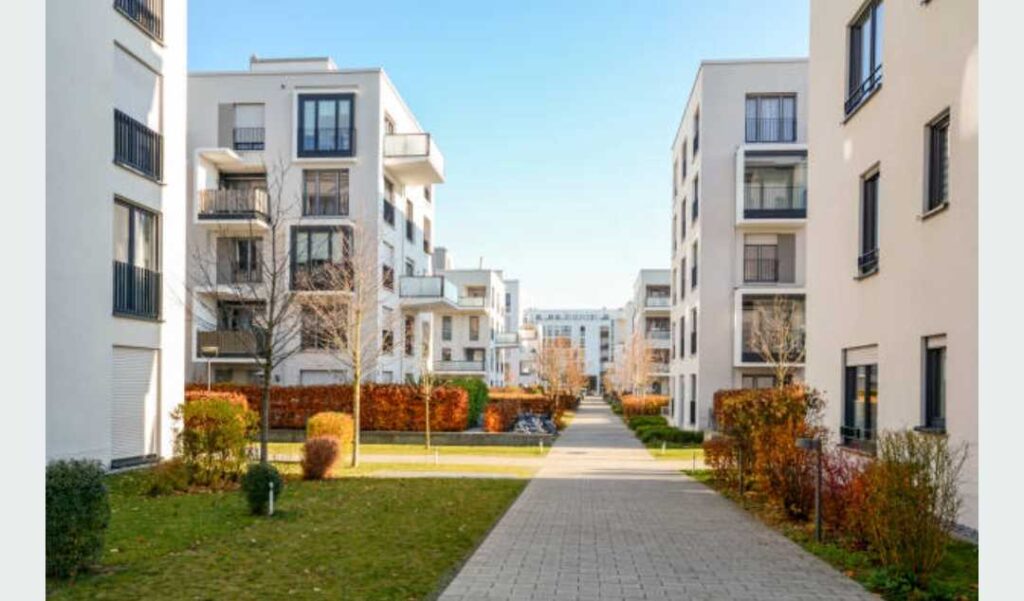
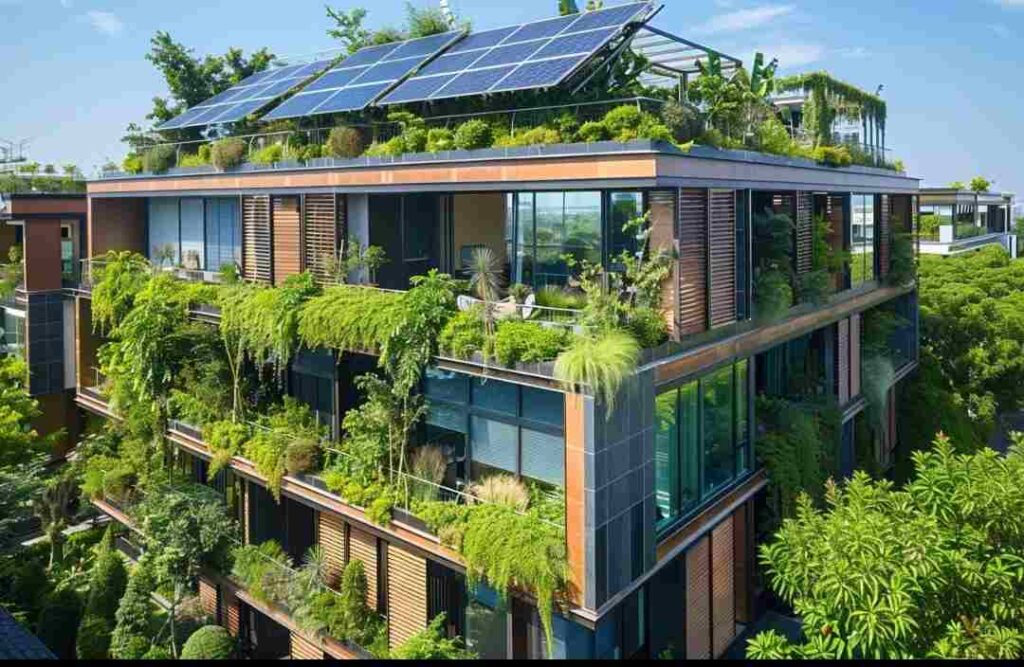
Changing consumer preferences are also shaping the future of property development. Modern homebuyers, tenants, and corporate occupiers are becoming more conscious of environmental and social issues. Many now prefer properties that offer healthy indoor environments, efficient resource usage, and access to green spaces. Sustainable developments often provide improved air quality, natural lighting, water conservation systems, and enhanced comfort, leading to higher occupant satisfaction and well-being. As demand for such properties grows, developers are adapting their projects to meet these expectations.
Governments and regulatory authorities worldwide are also driving the sustainability agenda through stricter building codes, environmental regulations, and green certification programs. Compliance with these standards is becoming increasingly important for developers seeking approvals, financing, and market competitiveness. Sustainable developments are often rewarded through incentives, tax benefits, and improved access to investment opportunities.
Technology is further accelerating the adoption of sustainable practices in property development. Smart building systems, Building Information Modeling (BIM), energy management platforms, and advanced construction technologies enable developers to optimize resource utilization and improve building performance. These innovations make sustainable development more practical, efficient, and cost-effective than ever before.
Beyond environmental and economic considerations, sustainability promotes social responsibility. Sustainable communities are designed to enhance quality of life through better infrastructure, accessibility, security, public spaces, and social inclusion. Such developments create healthier, safer, and more resilient communities capable of adapting to future challenges.
the future of sustainable property development
Sustainability is shaping the future of property development because it addresses some of the most pressing challenges facing the built environment today. From reducing environmental impact and operating costs to enhancing property value and occupant well-being, sustainable development offers a comprehensive approach to building for the future.
As governments, investors, businesses, and communities continue to prioritize sustainability, developers who embrace these principles will be better positioned to lead the industry, attract investment, and create developments that stand the test of time. The future belongs to property developments that are not only profitable but also responsible, resilient, and sustainable.